Revolutionay Rehab Equipment Effective For Back Pain Relief In Spinal Rehabilitation Patients

This Blog is maintained by MediCepts, Inc, manufacturer of the SpineSix.All content has been provided by employees of MediCepts, Inc.
Showing posts with label physical therapy. Show all posts

Thursday, September 10, 2009

Choosing the Proper Physical Therapy Equipment for Your Back Pain Rehabilitation Center

Add to Technorati Favorites

Add to Google

With hundreds of pieces of physical therapy equipment in the market today, it's sometimes difficult to properly evaluate your choices and choose the most appropriate rehabilitation equipment for your rehab center.

Physical therapy is a growing field, and with the incidence of back pain affecting 80% of all Americans, it is expected to grow even higher. Many times physical therapy is the first course of treatment prescribed to the back pain sufferer, with the goal of decreased pain and increased function. Most therapists have found that a combination of manual therapies, like hot/cold and mechanically aided therapies, like TENS (transcutaneous electrical nerve stimulation) provide the best clinical outcomes. Larger, more condition specific pieces of rehab equipment are becoming mainstream and essential for both patient and practice success.

Certain factors play a key role in choosing the appropriate rehab equipment for your physical therapy center, including:

1. Patient population

2. Clinical outcomes

3. Adaptability of objectives to patient needs

4. Ease of use

5. Patient compliance

6. Evidence-based foundation for treatment method

7. Space requirements

8. Price

Before a capital equipment purchase is made, these factors need to be considered carefully. Asking yourself the tried and true questions of Who, What, When, Where, Why and How will help you make informed choices and lead to greater success.

Who will this equipment benefit? Is it effective for only a small group of patients or a broad population of patients?
What will your patients think of this new therapy? Will they enjoy the treatment or consider it painful and aggressive?

When will this equipment be effective in the patient's treatment program? Will the equipment advance it's objectives as the patient progresses?

Where will you put the piece of rehab equipment? Does it have a small footprint or will it take up a lot of your precious space?

Why does this equipment work? Is there evidence-based science behind this method of treatment?

How will the price of the equipment affect my bottom line? Is this a piece of equipment that offers a reimbursable modality?

If these six questions can be answered with positive statements, then the equipment is probably a wise investment. Alternately, if you find that the equipment would be effective for 1 out of 100 patients, takes up a large amount of room and is not reimbursable, it is probably not a wise investment.

There are pieces of rehabilitation equipment for back pain that meet all these criteria, and a little research now will be well worth it in the long run. Look at all your options and don't make hasty decisions based on slick marketing or nice salespeople. This is your physical therapy center, and the rehabilitation equipment you place in it will play heavily on the success of your patients and of your business.

This Blog is maintained by MediCepts, Inc, manufacturer of the SpineSic.All content has been provided by employees of MediCepts, Inc.
Want to learn more about effective rehabilitation equipment for back pain patients? Read more of our blog posts, and don't forget to bookmark us!

Wednesday, July 22, 2009

Fibromyalgia Pain - Gentle SpineSix Therapy Offers Pain Relief

In the United States alone, 10 million people suffer from Fibromyalgia Syndrome (FMS), which is characterized by back pain, neck pain, chronic widespread muscle pain and abnormal pain processing. Women are more apt to suffer from FMS, in fact, 75-90% of the cases are women; FMS is also often seen within family histories. Some people will have genetic factors that may predispose them to FMS, or they will then have an illness or injury that will trigger the Syndrome.

Recent research has shown that Fibromyalgia patients process pain differently than others without the Syndrome. One cause may be Substance P, a neuropeptide contained in the cerebral spinal fluid, is 3 times the level of patients without FMS, this in turn causes the FMS patients to experience pain more intensely. Some of the other symptoms of FMS are sleep disturbances, depression , “fibrofog” (inability to think clearly) and chronic fatique. Some Physicians believe FMS and Chronic Fatigue Syndrome are the same disorder, as the fatigue suffered by FMS patients can become quite disabling.

There is no test to diagnose Fibromyalgia, the patient must be have chronic widespread pain for greater than 3 months and be sensitive in 11 out of 18 tender points located throughout the four quadrants of their body. (See National Fibromyalgia Association website for more specific details.) For some discouraged patients it takes an average of five years to reach a diagnosis, as symptoms of FMS overlap other disorders.

At this time, there is no cure for FMS, therefore the treatment is tailored to adaptation of the patient’s lifestyle. Pain management techniques may include drugs specific for FMS, non-narcotic pain relievers, antidepressants and psychological support. Sleep management is important for the fatigue symptoms. Alternative treatments may include massage, acupuncture, yoga, osteopathic or chiropractic manipulation. Physical Therapy modalities may also be very helpful in treatment. Exercise is beneficial, but must be gentle and to the patient’s tolerance.

SpineSix BioMotion Spinal System® would also be a great therapy adjunct. A clinician using SpineSix therapy on a patient stated:

"The use of the SpineSix on the Fibromyalgia patient has been extraordinary. She has had the condition for many years and after each 15 min. session she states she feels better and better. Last session consisted of moist heat to her low back followed by the SpineSix treatment, afterwards she stated "this is the best that I have felt in YEARS!!" It was quite a statement from somebody that has a condition that has been known to debilitate and incapacitate people for weeks at a time. The condition itself is one that lends itself well to the patient. They often do well with light gentle exercise or very passive treatment, i.e., moist heat, electric stimulation, gentle massage, and gentle mobilizations. They Do Not do well with anything vigorous, exercise or otherwise. The SpineSix makes treatment a breeze and allows total relaxation of the entire body which is perfect for these patients."

SpineSix allows for computer controlled motion therapy in a non-weight bearing environment. The patient’s cervical and lumbar spine is treated to motion therapy in a clinician prescribed range-of-motion “figure 8” movements. The SpineSix’s patient pause switch allows the patient to be in full control of their treatment, if they become uncomfortable or distressed they simply push the switch and the SpineSix stops all movements. This gentle therapy increases blood flow, range-of-motion, flexibility and may in turn allow the patient to increase their daily activities with decreased levels of pain.

This Blog is maintained by MediCepts, Inc, manufacturer of the SpineSix.All content has been provided by employees of MediCepts, Inc.
SpineSix BioMotion Spinal System® is an FDA Class 1 medical device. For more information, view a full list of clinical indications for SpineSix, or to locate a SpineSix location near you visit www.spinesix.com or call 1-772-781-1184.

Tuesday, July 21, 2009

The Back Pain Club

This morning I joined a club, this club is not very exclusive and there are no special requirements to be accepted, as a matter of fact, 80% of the United States population also belongs to this club. The club I joined is called “The Back Pain Club”. I got up from my desk chair, turned, and felt a pain shoot from my lower back into my left leg. Throughout the morning I have been getting stiffer and feel like I am being stabbed with a hot stick. Now I am on a search for the cure to my pain.

Back pain sufferers are flooded with all types of treatment options, take this pill, hang upside down from the door frame, and sleep on this $5000 mattress. Most of these treatments are a waste of money, time and only effective on a small number of people with minor ailments.

Since I have a medical background, I’ll go the route of conservative, evidence based treatment; taking Advil or another over the counter pain medication, minimal rest for a day, ice/heat and practice good posture while sitting at my desk. If my pain doesn’t subside in 3-4 days I will seek medical attention. My physician will take my medical history, do a physical exam and perhaps prescribe a pain medication and send me for physical therapy, all still considered conservative therapies. One thing I know for certain, I will go to a physical therapist or even a chiropractor that utilizes SpineSix motion therapy.

SpineSix BioMotion Spinal System® is a computer controlled motion therapy device for patients with low back pain. SpineSix mimics normal spine mechanics and gently guides the patient through a series of “figure 8” movements. Research has shown that motion enhances the healing process while decreasing pain. SpineSix treatments are gentle enough for use in all stages of the healing process. The SpineSix can increase range of motion, which will help me get back to living life the way I need to.

SpineSix was designed to be an additional tool in a physical therapy protocol and is available in orthopaedic, physical therapy and chiropractic facilities. Join my club and ask for SpineSix therapy to treat your back pain.

This Blog is maintained by MediCepts, Inc, manufacturer of the SpineSix.All content has been provided by employees of MediCepts, Inc.
SpineSix is an U.S. FDA class 1 medical device. For more information visit www.spinesix.com or call 866-2240-4337.

Tuesday, July 7, 2009

Sciatica Relief With SpineSix Therapy

Millions of people suffer from back pain daily. Pain that runs from the lower back, down the buttock and into the foot is termed Sciatica. Sciatica is not a disorder, but a symptom. Simply stated, Sciatica is described as the pain traveling in the distribution of the Sciatic nerve, which is the largest and longest nerve in the body.

Sciatic symptoms typically include pain, tingling, numbness, muscle weakness or a pins and needle feeling. Sciatic nerve compression may cause any of, or a combination of, the above symptoms in one or both legs. Lumbar spinal disorders known to cause Sciatica include herniated discs, degenerated disc disease, lumbar stenosis, spondylolisthesis, and more rarely, tumors and infections.

There is great news for the majority of Sciatica sufferers - Sciatica will usually resolve on its own over the course of several days to twelve weeks. In the short term, pain management techniques and regular exercise will go a long way. In fact, inactivity may make the Sciatic pain worse; regular movements and exercise are needed to provide nourishment to the back structures and strengthen the muscles that support the back. For those people whose pain continues, it will be necessary to seek medical attention. The Physician will diagnose the disorder that is causing the Sciatica and prescribe the appropriate treatment.

Exercises for Sciatic pain focuses on strengthening the abdominal and back muscles, which are used for support and movement Physicians may prescribe a course of physical therapy, which could include heat/cold therapy, manual manipulation, massage therapy and exercise. SpineSix Therapy is an additional modality used by physical therapists in the treatment of Sciatic patients. SpineSix BioMotion Spinal System® is an innovative spinal mobilization device that reproduces normal spinal mechanics. SpineSix gently moves the patient in a series of “figure 8” coupled movements, which will aid in the strengthening of the abdominal and spinal muscles. The patient will benefit from decreased pain and increased range-of-motion.

SpineSix has the ability to progress with the patient through their course of treatment. Initially, while the patient is in the painful stage of Sciatica, passive routines are suitable. Core stabilization routines involving full patient participation can be utilized as tolerated by the patient. Core Stabilization strengthens spinal musculature, which helps to prevent the recurrence of Sciatica and other injuries. These exercises help improve posture, range-of-motion and flexibility and will help decrease pain. The patient will then return to living life without limitations.

This Blog is maintained by MediCepts, Inc, manufacturer of the SpineSix.All content has been provided by employees of MediCepts, Inc.

For more information, visit www.spinesix.com or call 1-772-781-1184. SpineSix is a registered United States FDA Class 1 medical device.

Thursday, July 2, 2009

Back Pain Caused By Degenerative Disc Disease (DDD)

Are you one of the many people who suffer from back pain? There are a multitude of causes of lower back pain, not to mention neck pain. One of the most common causes is degenerative disc disease (DDD). DDD is not a disease but a term to describe the normal changes in your spinal disc as you age.

Unfortunately, as we all get older so does our spine; degeneration can take place anywhere on the spine, but most often it affects our discs. These changes can result in neck or lower back pain. These changes can put pressure on the spinal cord and nerve roots resulting in back pain.
Aging may cause the loss of fluid in your discs. This reduces the natural shock absorbing ability of the disc, and will make you less flexible. Also, the disc will become thinner and narrower, compressing the space between the vertebrae. Cracks may occur in the outer layer of the disc. This may allow the jelly-like material in the disc to bulge (bulging disc) or to break open (ruptured disc). These changes may also begin due to an injury. Heavy lifting, smoking and obesity may also begin the degenerative process in the spine.

Symptoms of DDD vary from person to person, as the pain is dependant upon the location of the affected disc. An affected disc in the neck will produce neck or arm pain, an affected disc in the lower back will produce lower back and leg pain. This pain will often get worse with bending over, reaching up or twisting. Numbness, tingling and weakness may also be present in the affected area.

DDD is diagnosed with your physician performing a physical exam and taking your medical history. Further tests may be ordered if your symptoms developed after an injury or if the physician suspects another more serious condition is causing your symptoms. DDD treatment consists of pain management which may include over the counter or prescription. Epidural Steroid Injections, acupuncture and chiropractic care are alternative treatments that may also help with the pain.

Exercise is an important part of the healing process. Exercise increases strength and encourages the flow of blood & nutrients to the back and degenerating discs. Strengthening of the deep core muscles will help to stabilize the spine. Your physician will refer you to physical therapy for a customized plan of treatment.

SpineSix BioMotion Spinal System® is an innovative piece of medical equipment designed by a team of medical professionals for patients with neck and lower back pain. SpineSix gently moves the patient through a series of “figure 8” movements which are biomechanically correct in nature. These movements provide evidence based therapy for spinal patients; previous studies have shown that SpineSix therapy can hasten recovery, strengthen spinal muscles, and increase blood flow to the spine and degenerating discs. SpineSix therapy is available in chiropractic offices and physical therapy facilities throughout the U.S. Be sure to ask your physician if SpineSix therapy is right for you.

This Blog is maintained by MediCepts, Inc, manufacturer of the SpineSix.All content has been provided by employees of MediCepts, Inc.

For more information on SpineSix, visit www.spinesix.com or call 1-877-BACK-116 (877-222-5116) to find a SpineSix near you. The SpineSix BioMotion Spinal System® is registered as a United States FDA Class I medical device.

When Does Back Pain Mean Back Surgery?

Back Pain is the second most common problem for which people seek medical attention in the United States. For some, back pain will become a chronic, lifelong battle. The causes of back pain are many and often difficult to diagnose. Standard treatments range from non-invasive modalities such as pain medications and physical therapy to back surgery.

Statistics show that 1.2 million back surgeries are performed in the United States each year, up from 190,000 surgeries performed in 1983. This alarming increase can be attributed to the introduction of less invasive procedures and society’s need for a “quick fix”. Another startling statistic is that 20% of all surgical patients will have another surgery within 10 years due to persistent symptoms, progression of degenerative changes or treatment complications.

This is not to say that spinal surgery is not a viable treatment option for certain patients, and for the lucky ones who do benefit, it is certainly worth the risks and the cost. So, how do you know if back surgery is the right option for you? The very simple answer is patient education. The health care provider should give the patient solid information on the cause of their back pain, conservative treatment options and self care instructions before discussing surgery. Patients should ask their health care providers:

Are there non-invasive treatment options that may work?
What is the clinical evidence favoring surgery in their particular case?
What is the long term outcome of the recommended treatment?
Would the improvements last, and if so, for how long?
What is the overall safety of the procedure?
How much experience do you have performing this procedure?
Can I talk to other patients that have undergone this procedure?
Patients need to play an active role in their own healthcare. Undergoing back surgery is a drastic option for dealing with back pain, and some experts feel that less than 1% of back pain sufferers need aggressive surgical treatments

Non-invasive treatments such as physical therapy, electrical stimulation, and motion therapy have been shown to be effective in treating back pain. One such device that is providing relief to many patients is the SpineSix BioMotion Spinal System.

The SpineSix is computer controlled motion therapy for the spine. Designed by leading spine specialists and engineers, the SpineSix mimics normal spine mechanics and physiological movements in a non-weight bearing environment.

Evidence shows that motion:
- Reduces pain
- Decreases muscle hypertonicity
- Increases range of motion
- Increases blood flow and nutrition to the affected area
- Reduces swelling

SpineSix moves both the lumbar and cervical regions of the spine, either simultaneously or separately, in precise and clinician determined degrees of motion. The SpineSix is safe and effective for pre-operative, post-operative, and non-operative conditions.

Spine surgery may be necessary for some patients, but non-invasive treatment options should always be tried first. SpineSix is showing positive results in many patients. Kelly D., a back pain patient in Stuart, Florida stated “I firmly believe that SpineSix has saved me from having major back surgery, or alternately living the rest of my life in pain.”

Patient education is key to making the right treatment decisions. Talk to your healthcare provider until you feel comfortable that the chosen treatment is right for you, and ask them about SpineSix therapy.

To find out more about SpineSix and where you can find a SpineSix location, visit www.spinesix.com.
This Blog is maintained by MediCepts, Inc, manufacturer of the SpineSix.All content has been provided by employees of MediCepts, Inc.

Back Pain And Fear Avoidance Behaviors

In the United States alone, 6.5 million people are treated for back pain every day. For many, these episodes of back pain will become recurrent and chronic. Once a patient develops chronic back pain, they may also develop what is known as “fear avoidance behaviors”.

By definition, “fear avoidance” is simply the avoidance of movements or physical activities the patient feels will cause them pain or make them worse. Fear avoidance behavior is an obstacle to recovery in patients with low back pain. The anticipation of pain may discourage the use of the injured area and lead to further vulnerability and pain. It has been stated that the fear of pain may be more disabling than the pain itself.

To overcome fear avoidance behaviors, and potentially accelerate healing, the patient should be able to:

• Differentiate between “pain” and “harm”

• Undergo treatment in a relaxed environment

• Pace their activities with their ability

• Build confidence with their progression

• Recognize positive results

The use of the SpineSix BioMotion Spinal System® in the treatment plan for patients with back pain can address many of these issues. SpineSix is an extremely gentle, non-invasive, computer-controlled motion therapy system. The “figure 8” movements of the SpineSix are performed in a non-weight weight bearing environment and mimic normal spine mechanics. The range-of-motion is precisely determined by the clinician, allowing gradual progression as tolerated by the patient. The SpineSix comes equipped with a “patient pause switch”, allowing them to maintain control over their therapy session.

Being able to show the patient that their range-of-motion has increased from one treatment session to the next, or within the same session, will promote confidence in their ability to move. The SpineSix can re-educate the patient on the correct physiological movements of the spine, and allow for a faster return to activities of daily living.

This Blog is maintained by MediCepts, Inc, manufacturer of the SpineSix.All content has been provided by employees of MediCepts, Inc.

To learn more about SpineSix therapy and where you can find a SpineSix location, visit www.spinesix.com

Core Stabilization Provides Back Pain relief

The most recent exercise and fitness craze to sweep the nation is Core Stabilization. It has been purported that core stabilization will cure every ache and pain you have. The accepted principal to support this theory is that a bad back or low back pain is caused by an instability or imbalance of the spinal musculature. It is these weak and unbalanced core muscles that are linked to low back pain. Weak core muscles result in a loss of appropriate lumbar curve and a swayback posture. Stronger, balanced core muscles help maintain appropriate posture and reduce strain on the spine.

Core Stabilization is an approach that puts the focus on the abdominal and spinal muscles in a rehabilitation program, resulting in the prevention of low back pain and a general well being. Historically, this is not a new concept. The practices of Yoga, Pilates and Tai Chi all share the concept of a central body powerhouse or a “girdle of strength”, which is related to physical health and well being. A strong core distributes the stress of weight-bearing and protects the back.

Recent research identifies two muscles that act as stabilizers for the back. The multifidus and the transverse abdominis, “the deep muscles”, have the responsibility to stabilize the spine without compromising the integrity of the joints. Evidence shows that in patients with low back pain the size of these two muscles are reduced; thereby reducing their effectiveness in performing spinal stabilization

A Core Stabilization exercise, or training, can improve strength, endurance, and control of these important deep muscles. A Stabilization Protocol can be performed utilizing the SpineSix BioMotion Spinal System:

• The patient would begin using the SpineSix in a passive mode, Passive Mobilization, by just laying supine on the chair and being compliant with the motions of the device specified by the clinician.
• The patient would then progress into Active-Assistive Range of Motion, where they would activate their core musculature and actively assist the motions of the SpineSix, moving in the same direction of the device.
• The next progression for the patient is the Eccentric Training, where the patient activates their core and resists the movements of the SpineSix, moving in the opposite direction of the device.
• The final progression, Dynamic Core Stabilization, the patient lifts their calves off the calf-rest of the SpineSix, keeping their knees bent and allowing the SpineSix to complete its movements, all while engaging their core muscles.
Not all patients will have the strength or endurance to perform the Dynamic Core Stabilization protocol, even educating them on activating their core muscles and assisting the SpineSix is an added benefit to their therapy.

Core Stabilization benefits everyone, from athletes to the elderly, in better posture and balance. Movements will become more powerful and efficient, and they will become less likely to be injured. The bottom line: patients will be stronger and more efficient in performing activities of daily living and will be living their lives without limitations.

This Blog is maintained by MediCepts, Inc, manufacturer of the SpineSix.All content has been provided by employees of MediCepts, Inc.

Rehab Equipment For Back Pain

Rehab Equipment For Back Pain
SpineSix BioMotion Spinal System

Cervical and Lumbar Mobilization

Cervical and Lumbar Mobilization

Motion Therapy For The Spine

Motion Therapy For The Spine
Effective For Many Common Back Disorders

Good For A Broad Range Of Patients

Good For A Broad Range Of Patients

SpineSix is Very Patient Compliant

SpineSix is Very Patient Compliant
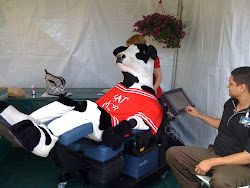
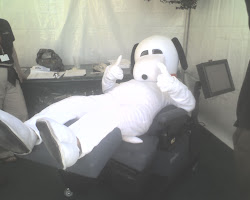
Yes - That Is Snoopy!

SpineSix Has Lots Of Fans

SpineSix Has Lots Of Fans
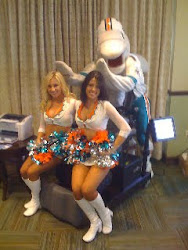
Miami Dolphin Cheerleaders & Mascot

Clinician Testimonials